Quick answer: A credit card hardship program is a temporary arrangement some issuers offer to cardholders facing a financial setback, such as job loss, medical bills or reduced income. Depending on the issuer, it may include a lower APR, a reduced minimum payment or waived fees, but approval and terms are never guaranteed. To get started, call the number on the back of your card, explain your situation and ask what hardship options are available.
Key takeaways
- Hardship programs are voluntary and vary by issuer, so terms differ from card to card.
- Common relief includes lower interest, smaller payments for a set period and waived late or over-limit fees.
- Enrollment often means the account is closed or frozen to new purchases, which can affect your credit.
- Prepare a simple budget and proof of hardship before you call.
- If a hardship plan is not enough, other options exist, such as a debt management plan or consolidation.
If you are falling behind on credit card payments, you are not alone, and asking for help early is usually better than waiting until accounts go delinquent. This guide explains what a credit card hardship program is, what issuers typically offer, how to ask, and what to expect afterward. The information here is educational, and every issuer sets its own rules.
Not sure whether a hardship plan fits your situation? You can request a free consultation using the form on this page to talk through your debt relief options with no pressure.
What Is a Credit Card Hardship Program?
A hardship program is an arrangement between you and your card issuer that temporarily changes the terms of your account so you can keep paying while you recover financially. It is not a legal right, and issuers are not required to offer one. Many do, however, because working out a payment plan is often better for them than a charge-off.
Hardship programs go by different names, including financial assistance, payment relief, workout plan or temporary payment program. Ask for them by several names if the first one draws a blank.
Situations that commonly qualify include:
- Job loss, reduced hours or a pay cut
- Serious illness, injury or large medical bills
- Divorce or separation
- Death of a household income earner
- Natural disasters or other emergencies
- Military deployment or other unexpected changes in circumstances
For a broader look at your choices, see our Credit Card Debt guide.
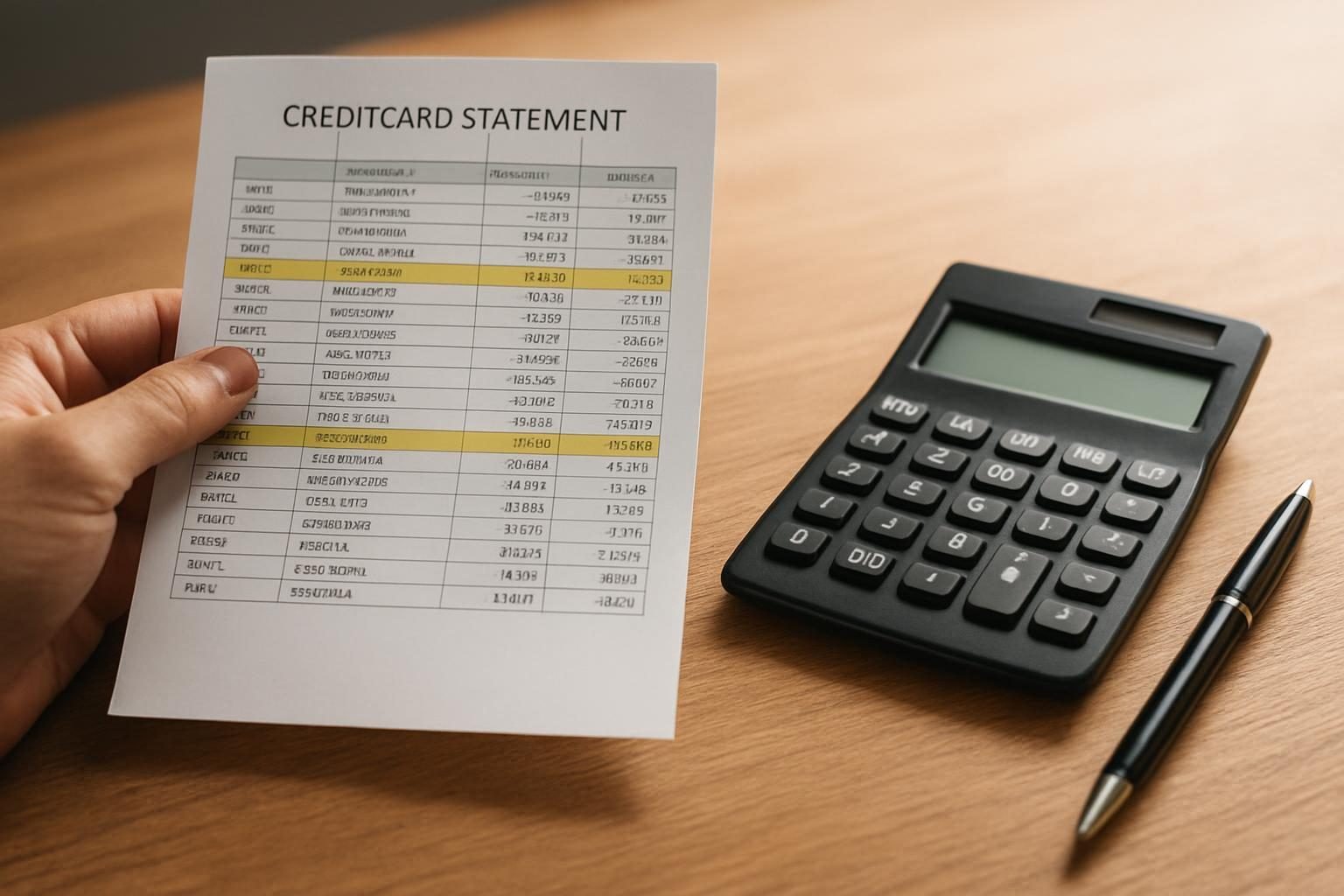
What Credit Card Issuers Typically Offer
There is no standard package. What you are offered depends on the issuer, your account history and the severity of your hardship. Here is what is commonly available:
- Lower APR: Some issuers temporarily reduce your interest rate, sometimes to a single-digit rate or even 0% for a limited period. Lower interest means more of each payment goes toward principal.
- Reduced minimum payment: You may be offered a smaller monthly payment for a set period, often several months up to a year or more, depending on the plan.
- Waived fees: Late fees, over-limit fees or other penalty charges may be waived or credited back.
- Payment deferral: A short pause in payments may be possible, though interest can continue to build.
- Fixed payment plan: Some programs set a fixed monthly amount designed to pay off the balance over a defined term, such as 3 to 5 years.
Pro tip: Ask whether the reduced rate is temporary or for the life of the plan, and what the rate returns to afterward. Get the answer in writing before you agree.
Keep in mind that these are examples of what some issuers have offered, not promises. Some may decline your request or offer only one of these options.
Hardship programs are discretionary: issuers choose what to offer, and asking is free.
How to Ask for a Credit Card Hardship Program
The process is usually simple, but preparation helps you stay calm and get clear answers. Follow these steps:
- Review your finances first. List your income, essential expenses and every credit card balance, APR and minimum payment. Our Budgeting to Get Out of Debt guide can help you build this snapshot.
- Decide what you can realistically pay. Know a monthly amount you can sustain so you do not agree to a plan that fails.
- Call the number on the back of your card. Ask for the hardship, financial assistance or customer relief department. Some issuers also have online request forms.
- Explain your situation briefly and honestly. State the cause of the hardship, whether it is temporary, and what you can afford.
- Ask specific questions. What is offered, how long does it last, will the account stay open, and will it be reported to the credit bureaus differently?
- Request the terms in writing. Do not rely on a verbal promise alone. Save emails, letters and call reference numbers.
- Follow through on every payment. Missing a payment under the plan can cancel the arrangement.
It also helps to call before you miss payments. Many issuers are more flexible with customers who reach out early than with accounts that are already far behind.

What Documentation You May Need
Some issuers approve hardship requests over the phone based on your explanation. Others ask for proof. Having documents ready can speed things up.
- Proof of income change: Recent pay stubs, a layoff or termination letter, or unemployment benefit statements
- Medical documentation: Bills, an explanation of benefits or a doctor’s note, if illness is the cause
- Household budget: A list of monthly income and expenses
- Other debts: Balances and payments on loans and other cards
- Bank statements: Often the last one to three months
Never submit original documents. Send copies, and keep your own records of everything you share.
Get every term of a hardship plan in writing before you rely on it.
Effects on Your Account and Credit
Hardship programs can help you avoid worse outcomes, but they are not free of tradeoffs. Understand them before you enroll.
Possible account changes
- Account may be closed or frozen: Many issuers suspend new purchases once you enter a plan. Some close the account entirely.
- Credit limit may drop: A closed or reduced account can raise your credit utilization ratio on remaining cards.
- Notation on your credit report: Issuers may report the account as paying under a partial payment agreement or as closed by the creditor. Practices vary.
Credit score considerations
The impact on your score depends on how the account is reported and where your credit stood before. Reduced payments that are reported as late can lower your score, while a plan reported as current may do less harm. Ask the issuer exactly how it will report the account.
Compared with missing payments entirely, which can lead to late fees, collections and possibly a lawsuit, a hardship plan is often the gentler path. If you are curious about repairing credit afterward, our step-by-step credit repair plan walks through the basics.
When a Hardship Program Is Not Enough
A hardship plan can help with one card, but it may not solve the bigger problem if you owe money on several accounts. In that case, consider other tools:
- Debt management plan (DMP): A nonprofit credit counseling agency negotiates with your issuers for lower rates and one monthly payment. Learn more in What Is a Debt Management Plan?
- Debt consolidation: A personal loan or balance transfer card may simplify payments and lower interest if you qualify. Compare them in Debt Consolidation Loan vs. Balance Transfer Card.
- Debt settlement: Negotiating to pay less than you owe, which carries real risks and costs. See Is Debt Settlement Worth It? before deciding.
Our Debt Relief Options guide compares these approaches side by side. For more on negotiating directly, a future guide on how to negotiate with credit card companies will cover scripts and strategies.
For a trustworthy outside reference, the Consumer Financial Protection Bureau offers free consumer information on credit cards and debt at consumerfinance.gov.
If you want an expert opinion on whether a hardship plan or another route makes sense, you can request a free consultation with the form on this page.
Frequently Asked Questions
Does everyone qualify for a credit card hardship program?
No. Issuers decide case by case, and there is no guarantee of approval. Having a documented hardship and a history of mostly on-time payments may help, but outcomes vary.
Will a hardship program hurt my credit score?
It can, depending on how the issuer reports the account and whether the card is closed. It is often less damaging than missed payments or a charge-off, but ask about reporting before you agree.
Does a hardship program reduce what I owe?
Usually not. Most programs lower interest, fees or monthly payments rather than the principal balance. Reducing the balance itself is typically a separate process, such as settlement, which has its own risks.
Is there a cost to enroll in a hardship program?
Dealing directly with your issuer is generally free. Be cautious of any company that charges large upfront fees to arrange a hardship plan you can request yourself. Our guide to spotting and avoiding debt relief scams explains common warning signs.
See which credit card debt relief options fit you
A certified debt specialist will review your options with you, free and with no pressure.