Quick answer: Debt relief for credit card debt includes issuer hardship programs, nonprofit debt management plans, debt settlement and consolidation loans or balance transfers. The right fit depends on your income, how far behind you are and how much you owe. Compare every option, check for fees and scam warning signs, and talk to a qualified professional before you enroll in anything.
Key takeaways
- There are four main routes for unsecured card debt: hardship programs, debt management plans (DMPs), settlement and consolidation.
- Each route trades off cost, credit impact and how much of the balance you actually repay.
- Be wary of any company that demands big upfront fees or promises to erase your debt.
- Asking the right questions before signing can save you thousands of dollars.
Credit card balances can snowball fast. Interest of roughly 20% or more (rates vary by card) means a large share of each payment never touches the principal. Many people in that spot search for debt relief, but the term covers very different programs with very different consequences.
This guide walks through each option for unsecured card debt, what it generally costs, and how to spot a scam. If you want a second set of eyes on your numbers, you can request a free consultation using the form on this page.
Debt Relief for Credit Card Debt: The Main Options at a Glance
Think of relief as a spectrum. On one end you keep paying in full with better terms. On the other you pay less than you owe, with more credit damage.
- Hardship program: Your card issuer temporarily lowers your interest rate or payment. Best for short-term setbacks.
- Debt management plan (DMP): A nonprofit credit counseling agency negotiates lower rates and you make one monthly payment. You repay the full balance.
- Debt settlement: A company or you negotiate to pay less than the full balance, usually after you fall behind. Higher risk.
- Consolidation: A personal loan or balance transfer card rolls several balances into one, ideally at a lower rate.
For a broader overview, see our debt relief options guide and our breakdown of how debt relief programs work, what they cost and who they fit.
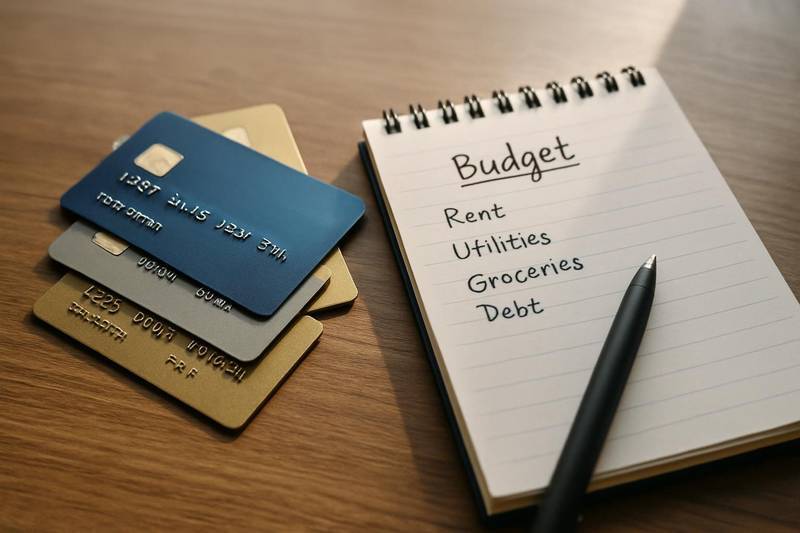
Hardship Programs From Your Card Issuer
Many issuers offer hardship arrangements if you have lost income, had a medical event or faced another disruption. You usually have to call and ask, because these programs are not always advertised.
What they may include (varies by issuer):
- A temporarily reduced interest rate
- A lower minimum payment for several months
- Waived late fees or over-limit fees
- A paused or modified payment schedule
Trade-offs: The issuer may close or freeze the card, and the account may be noted as being in a hardship plan. There is generally no fee to enroll, which makes it a sensible first call if you are still current or just starting to fall behind. We plan to cover this in depth in our upcoming article on the credit card hardship program.
Pro tip: Before calling, write down your income, essential expenses and what payment you can truly afford. A clear number makes the conversation much more productive.
The cheapest debt relief is often a free phone call to your own card issuer.
Debt Management Plans Through Nonprofit Credit Counseling
A DMP is not a loan. A nonprofit credit counseling agency reviews your budget, contacts your creditors and asks for reduced interest rates. You then send one monthly payment to the agency, which distributes it to your creditors.
Typical features (estimates, which vary by agency and creditor):
- Timeline: About 3 to 5 years to repay in full
- Interest rates: Often reduced to a single-digit or low double-digit range
- Fees: A modest setup fee and a monthly fee, often in the range of $0 to $75 depending on the agency and state rules
- Cards: Enrolled accounts are usually closed
A DMP works best if you have steady income, can afford the monthly payment and want to avoid the credit damage that comes with settlement. Learn more in our comparison of credit counseling vs. debt settlement, or watch for our upcoming guide to the debt management plan.

Debt Settlement: Potential Savings and Real Risks
Settlement aims to resolve a debt for less than the full amount. Most for-profit settlement companies ask you to stop paying creditors and deposit money into a dedicated account. Once enough accumulates, they try to negotiate lump-sum payoffs.
Risks to understand:
- Credit damage: Missed payments can lower your score significantly and stay on your report for years.
- Collections and lawsuits: Creditors are not required to accept a settlement and may sue while you save.
- Fees: Companies commonly charge around 15% to 25% of enrolled debt (an estimate). Federal rules generally bar charging fees before a debt is actually settled.
- Taxes: Forgiven debt may count as taxable income, though exceptions such as insolvency can apply.
Our walkthrough on how debt settlement works, with steps, risks and alternatives goes deeper. You can also read about whether debt settlement hurts your credit once that article is live.
Settlement can reduce what you owe, but it rarely comes without credit damage, fees or tax questions.
Consolidation Loans and Balance Transfers
Consolidation replaces multiple card balances with one new payment. It does not reduce what you owe, but it can cut interest and simplify your budget.
- Personal loan: Fixed rate and fixed term. Rates vary widely based on credit, from single digits to the mid-30s. Some lenders charge origination fees.
- Balance transfer card: Often offers a 0% introductory period, usually with a transfer fee of about 3% to 5%. You need to pay it off before the promo ends.
- Home equity options: These turn unsecured debt into debt secured by your home, which adds risk. Think carefully before going this route.
Consolidation tends to work best for people with fair-to-good credit and a payment plan they can stick to. If your credit is damaged, rates may not beat what you already pay. Compare approaches in our guide to debt consolidation options: loans, balance transfers and DMPs, and see our debt consolidation and loans guide for more.

Warning Signs of a Debt Relief Scam
Legitimate help exists, but so do predatory operators. The FTC offers guidance on debt relief and credit counseling. Watch for these red flags:
- Upfront fees: Being asked to pay before any debt is settled or reduced.
- Guarantees: Promises to eliminate or cut your debt by a set percentage.
- “Government program” claims: There is no special federal program that wipes out credit card debt.
- Pressure tactics: Urgency, or refusing to give written terms.
- Telling you to ignore creditors: Or to stop communicating with them entirely, without explaining the consequences.
- Vague answers: Unclear fees, timelines or risks.
If creditors are already calling, review your protections in our debt collector rights guide.
Questions to Ask Before You Enroll
Get answers in writing and take your time. A reputable provider will welcome questions.
- What is the total cost, including setup, monthly and success fees?
- Which of my debts will be included, and which will not?
- How long will the program take, and what happens if I cannot finish?
- How will this affect my credit, and could I be sued?
- Is the organization a nonprofit, and how is it accredited or licensed in my state?
- Do you charge any fees before results are achieved?
- What are my alternatives, including doing this myself?
You may also benefit from our step-by-step plan on how to get out of credit card debt and our credit card debt guide.
Ready to compare your options with a specialist? Request a free, no-pressure debt relief consultation using the form on this page.
FAQ
What is the best debt relief option for credit card debt?
There is no single best option. A hardship program or DMP often suits people who can still repay in full with better terms, while settlement is typically considered when the balance is unmanageable. A qualified counselor can review your situation.
Will debt relief hurt my credit score?
It depends. Settlement usually causes the most damage, because accounts go delinquent. A DMP can have a mixed effect, since accounts are closed but payments are made on time. Consolidation may help or hurt depending on how you manage the new debt.
Can I negotiate with credit card companies myself?
Yes. You can ask for hardship terms or a settlement directly, and doing so avoids company fees. It takes persistence and careful documentation, so get any agreement in writing before paying.
Is debt relief the same as bankruptcy?
No. Bankruptcy is a legal process with court oversight and long-lasting credit effects. If your debts are overwhelming, consider speaking with a qualified bankruptcy attorney or nonprofit counselor to weigh all your choices.
This article is for general education and is not legal, tax or financial advice. Your situation may differ, so consult a qualified professional.
Run your numbers: our free debt payoff calculator shows your debt-free date and how much interest extra payments save.
See if you qualify for credit card debt relief
A certified debt specialist will review your options with you, free and with no pressure.