Quick answer: Credit repair companies can help dispute inaccurate, outdated or unverifiable items on your credit reports, but they cannot erase accurate negative information, and no one can legally guarantee a score increase. Anything a credit repair company does, you can do yourself for free. Whether paying one is worth it depends on how much time you have and how many errors you’re dealing with.
Key takeaways
- Credit repair companies can dispute errors, but they cannot remove accurate, timely negative items.
- Under the federal Credit Repair Organizations Act (CROA), they cannot charge you before services are performed.
- You are entitled to a written contract and a 3-business-day right to cancel.
- Guaranteed score jumps, “new credit identity” pitches and upfront fees are classic red flags.
- The DIY route costs nothing and uses the same dispute rights the law gives every consumer.
If you’re buried in credit card balances, a low score can feel like a second problem on top of the first. It’s tempting to hand it off to a company that promises to “fix” things. Before you do, it helps to understand what credit repair companies actually do, what the law requires of them, and what you can handle on your own.
Not sure where to start? You can request a free consultation using the form on this page to talk through credit repair and debt options with no pressure.
What Credit Repair Companies Actually Do
At their core, these companies send dispute letters to the three major credit bureaus (Equifax, Experian and TransUnion) and sometimes to creditors and collectors. Their goal is to get inaccurate or unverifiable information corrected or removed.
Typical services include:
- Reviewing your reports for errors, duplicates and outdated entries.
- Drafting and sending disputes to bureaus and furnishers.
- Tracking responses and following up on items that aren’t resolved.
- Sending goodwill or validation letters to creditors and collectors.
- General education on how scores work and what affects them.
That’s it. There is no secret back door to the bureaus. The process they use is the same dispute process the Fair Credit Reporting Act (FCRA) gives every consumer.
What Credit Repair Companies Cannot Do
This is where expectations and reality often collide. Even the best-run company is limited by the law and by what’s actually on your report.
- Remove accurate information. Late payments, collections and charge-offs that are correct and within the reporting window generally stay. Most negative items can be reported for about seven years, and many bankruptcies longer.
- Guarantee a specific score. Scores depend on many factors, and the companies don’t control the scoring models.
- Pay off or settle your debts. That’s a different service. See our guide to debt relief options for how that works.
- Create a “new credit identity.” Using a different Social Security or employer identification number to start fresh is illegal.
- Do anything the FCRA doesn’t already allow you to do.
If a negative item is accurate and timely, no company can legally make it disappear.
The Rules: What the Credit Repair Organizations Act Requires
The federal Credit Repair Organizations Act (CROA) sets ground rules for companies that sell credit repair services in the U.S. Knowing them is your best protection. The Federal Trade Commission publishes plain-language guidance at consumer.ftc.gov.
Under CROA, a legitimate company must:
- Not charge upfront fees. They can’t collect payment until they’ve fully performed the services they promised.
- Give you a written contract that spells out the services, total cost, how long it will take, and any guarantees.
- Provide a written disclosure of your rights before you sign, including your right to dispute errors yourself.
- Honor a 3-business-day cancellation right. You can cancel the contract for any reason within three business days of signing, at no charge.
- Avoid false or misleading claims about what they can achieve.
Some states add their own licensing, bonding or registration requirements on top of CROA, so it’s worth checking your state attorney general’s website before you sign anything.

Red Flags vs. Signs of a Legitimate Company
Because the industry has a history of misleading marketing, a quick gut-check can save you money and frustration.
Red flags
- Demands payment before doing any work.
- Promises to remove accurate negative items or guarantees a score increase.
- Tells you not to contact the bureaus yourself.
- Suggests creating a new credit identity or using a different tax ID number.
- Won’t give you a written contract or explain your cancellation rights.
- Pressures you to sign immediately.
Signs of a more legitimate operation
- Clearly explains that only inaccurate or unverifiable items can be disputed.
- Provides a written contract and CROA disclosure up front.
- Charges only after services are performed, or per completed stage.
- Is transparent about timelines and costs.
- Encourages you to review your own reports and learn the process.
Pro tip: Before signing, search your state attorney general’s consumer protection site and the Consumer Financial Protection Bureau’s complaint database for complaints about the company.
What Credit Repair Typically Costs (Estimates)
Pricing varies widely. As a rough estimate, monthly fees often run about $50 to $150, and some companies add a first-month setup fee. Many people stay enrolled for three to six months or longer, so total cost could land anywhere from a couple hundred dollars to over $1,000.
Keep in mind that CROA restricts charging before work is performed, so ask exactly how and when billing happens. These figures are estimates only and will differ by company and state.
Every dispute a company sends on your behalf is one you could send yourself for the price of a stamp.
The DIY Alternative: Fix Your Credit for Free
For most people, doing it yourself is realistic and cheaper. Here’s the process:
- Pull your free reports. You can get them from all three bureaus at AnnualCreditReport.com, the official federally authorized source.
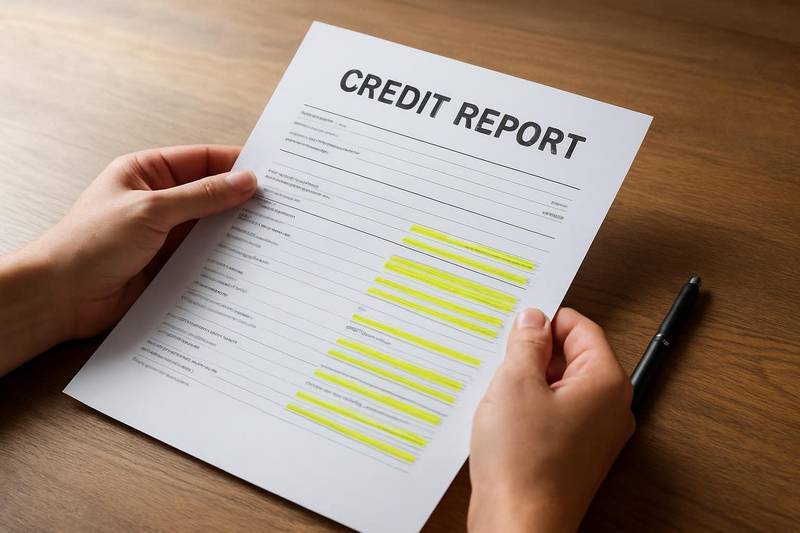
- Mark errors. Look for accounts that aren’t yours, wrong balances, duplicate collections, incorrect late payments and items past the reporting window.
- File disputes in writing with each bureau reporting the error, including copies (never originals) of supporting documents. Online dispute portals also work.
- Contact the creditor or collector directly if the error originated with them.
- Follow up. Bureaus generally must investigate within about 30 days and notify you of results. Keep records of everything.
Disputes only help with errors. For accurate negatives, the real levers are paying on time, lowering card utilization and avoiding new problems. Our step-by-step plan on how to fix your credit and our credit repair and scores guide walk through this in detail. If you’re facing collection calls, review your debt collector rights as well.
If you’d like to see what disputes are worth tackling first, you can also read about how to dispute credit report errors.
When a Credit Repair Company Might Be Worth It
It can make sense if you:
- Have many errors across all three reports and little time to manage disputes.
- Are dealing with identity theft or mixed files and want organized help.
- Understand the limits and have vetted the company against the CROA checklist above.
It rarely makes sense if your score is low mainly because of high card balances or missed payments that are accurate. In that case, the underlying debt is the real problem. Paying down balances, as outlined in our guide on how to get out of credit card debt, or exploring debt consolidation options will usually move your score further than disputes alone. A budget built to get out of debt keeps you from slipping back.
Want a second opinion on whether credit repair or a debt solution fits your situation? Request a free credit repair consultation using the form on this page.
Frequently Asked Questions
Do credit repair companies really work?
They can help when your reports contain genuine errors, but results are not guaranteed and they can’t remove accurate information. Many people get the same outcome doing the disputes themselves.
Is it legal for a credit repair company to charge upfront?
No. Under CROA, they cannot charge you until they’ve completed the services they promised. Be cautious of any company asking for payment before doing work.
How long does credit repair take?
Individual disputes are generally investigated within about 30 days, but the overall process often takes several months, especially if items need multiple rounds of disputes. Timelines vary.
Will credit repair remove my debt?
No. Credit repair addresses reporting errors, not the debt itself. If you owe the money, you still owe it. For help reducing balances, see our overview of debt relief programs.
This article is for general educational purposes and is not legal or financial advice. Consider speaking with a qualified credit counselor or attorney about your specific situation.
Get a free credit repair and debt options consultation
A certified debt specialist will review your credit and debt situation with you, free and with no pressure.