Quick answer: Debt consolidation combines your balances into one new payment, usually at a lower interest rate, and you still repay everything you owe. Debt relief is a broader term that includes settlement, credit counseling and bankruptcy, and some forms aim to reduce what you owe or restructure how you pay. If you can still afford your payments, consolidation is often the better fit; if you can’t, relief options deserve a close look.
Key takeaways
- Consolidation changes how you pay, not how much you owe (the principal stays the same).
- Debt relief is an umbrella term, and some programs, like settlement, can reduce the amount you repay but carry bigger credit and tax risks.
- Your ability to keep up with payments is the single best question for choosing between them.
- Fees, credit impact and timelines vary widely, so compare the real numbers before you commit.
The phrase “debt relief vs debt consolidation” trips up many people because the two overlap. Consolidation is technically one type of debt relief, but in everyday use, people mean something different by each. This guide breaks down the differences so you can match the right approach to your situation.
Not sure which path fits? You can request a free consultation using the form on this page and walk through your options with no pressure.
How Each Option Works
Understanding the mechanics makes the rest of the comparison much easier.
Debt consolidation
You take out a new loan, open a balance transfer card, or enroll in a debt management plan, then use it to pay off several debts. You end up with one payment instead of many. For a plain-English walkthrough, see how debt consolidation works.
- Personal loan: a fixed-rate loan used to pay off credit cards.
- Balance transfer card: moves balances to a card with a promotional low or 0% rate, usually for a limited time.
- Debt management plan (DMP): a nonprofit credit counseling agency negotiates lower rates with your creditors and you make one monthly payment to the agency.
Debt relief
Debt relief covers several strategies for people struggling to keep up. The most common are debt settlement (negotiating to pay less than the full balance), credit counseling, and bankruptcy. Our overview of debt relief programs explains how each works.

Debt Relief vs Debt Consolidation: Side-by-Side Comparison
Here is how the two stack up. Figures are general estimates and will vary by lender, creditor and your circumstances.
- How it works: Consolidation replaces multiple debts with one new payment. Relief (such as settlement) negotiates with creditors, often after you stop paying them.
- Do you owe less? Consolidation: no, you repay the full principal. Settlement: possibly, but not guaranteed.
- Credit impact: Consolidation: a small, usually temporary dip from the credit inquiry and new account, then improvement as balances fall. Settlement: often a significant drop because accounts become delinquent before settling.
- Typical cost (estimate): Consolidation loans may carry an origination fee of roughly 1% to 8% plus interest; balance transfer cards often charge 3% to 5% of the amount moved. Settlement companies commonly charge a percentage of enrolled debt, often in the 15% to 25% range. Nonprofit DMPs typically have modest setup and monthly fees.
- Who qualifies: Consolidation generally requires fair to good credit and steady income for the best rates. Settlement usually targets people with at least several thousand dollars in unsecured debt and real hardship. DMPs are open to many credit profiles.
- Timeline: Consolidation loans: typically 2 to 7 years. DMPs: usually about 3 to 5 years. Settlement programs: often 2 to 4 years.
For a deeper look at fees, read how much debt relief costs. If settlement is on your radar, debt consolidation vs. debt settlement compares those two head to head.
Pro tip: Before consolidating, add up your total interest cost under both your current setup and the new loan. A lower monthly payment stretched over more years can cost you more overall.
Consolidation changes how you pay your debt; settlement tries to change how much of it you owe.
Credit Impact and Costs in More Detail
Credit and cost are where the two paths diverge most, so it helps to look closer.
What happens to your credit
- Consolidation: A hard inquiry and a new account can cause a small short-term drop. Paying off cards may lower your credit utilization, which often helps your score over time. See whether debt consolidation hurts your credit.
- Settlement: Many programs ask you to stop paying creditors while you save money for settlements. Late payments, collections and settled-for-less accounts can stay on your credit reports for up to seven years.
- Debt management plans: Accounts are usually closed, but on-time payments can rebuild your history.
Our guide on how debt settlement affects your credit score covers the timeline in detail.
What it can really cost
- Interest: Consolidation only saves money if your new rate is meaningfully lower than your current blended rate.
- Fees: Origination fees, balance transfer fees and settlement fees all reduce your savings.
- Taxes: Forgiven debt may be treated as taxable income. The IRS explains the rules on its canceled debt topic page.
- Collection risk: If you stop paying during settlement, creditors may add fees, sue or pursue wage garnishment.
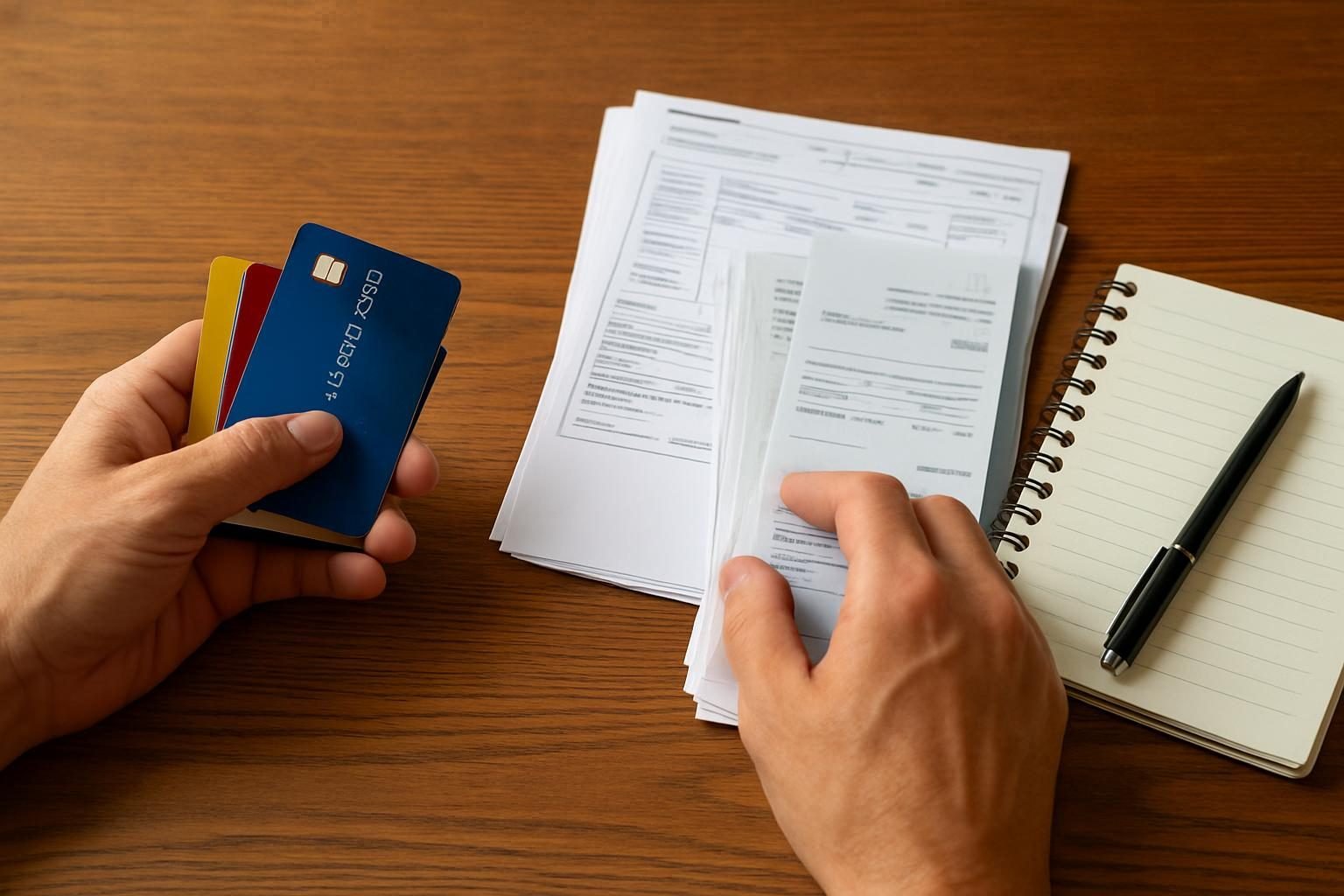
Which Should You Choose? A Decision Guide by Situation
Your ability to make payments is the clearest dividing line. Use these scenarios as a starting point.
If you can still make your payments
You’re current on your accounts, but high interest is slowing your progress. Consolidation is usually the first thing to explore.
- Good or fair credit and steady income: A personal loan or balance transfer card may lower your rate. Compare options in debt consolidation loan vs. balance transfer card.
- Lower credit score: A nonprofit debt management plan may secure reduced rates without requiring a strong score.
- Smaller balances you can tackle yourself: A payoff method like the snowball or avalanche may be enough. See debt snowball vs. debt avalanche.
If your payments feel unaffordable
You’re missing payments, borrowing to cover minimums, or watching balances grow despite paying. Consolidation may not help if you can’t qualify or can’t afford even the new payment.
- Hardship and large unsecured balances: Settlement or a bankruptcy consultation may be worth exploring. Weigh the tradeoffs in debt settlement vs. bankruptcy.
- Not sure how serious it is: Review the signs you may need debt relief help.
- Bad credit: Realistic paths are covered in debt consolidation with bad credit.
If you can’t afford the payment on the new loan, consolidation is not the right tool.
Steps to Take Before You Decide
- List every debt: balance, interest rate, minimum payment and whether it’s current.
- Check your budget: know what you can truly afford each month. Our budgeting guide can help.
- Run the numbers: use the debt payoff calculator to compare timelines and interest.
- Vet any company: use our 12 questions to ask a debt relief company, and learn how to avoid debt relief scams.
- Talk to a professional: a certified credit counselor or qualified attorney can advise on your situation.
Red Flags and Common Mistakes
- Upfront fees: Federal rules generally prohibit debt settlement companies from charging fees before they settle at least one of your debts.
- Guaranteed results: No legitimate provider can promise a specific outcome.
- Running up cards again: Consolidating then charging the cleared cards can leave you in a deeper hole.
- Ignoring taxes and collections: Settlement can bring tax consequences and collector activity you’ll want to prepare for. Know your protections in our debt collector rights guide.
For a fuller picture of your choices, our debt relief options guide and debt consolidation and loans guide go deeper. If you’d like a next read, try debt consolidation vs. credit counseling.
Ready to see which route fits your numbers? Request a free consultation with the form on this page and a specialist will review your options with you.
Frequently Asked Questions
Is debt consolidation the same as debt relief?
Not exactly. Consolidation is one way to manage debt by combining balances into one payment, and you still repay what you owe. Debt relief usually refers to programs, like settlement or bankruptcy, aimed at people who are struggling, and some may reduce the amount owed.
Which option is better for my credit score?
Consolidation typically has a milder and shorter-lived impact, and it can help over time if you pay on schedule and lower your utilization. Settlement often causes a larger drop because accounts may go delinquent first.
Can I do both?
Possibly, but not at the same time for the same debts. Some people start with a debt management plan and later explore other options if their situation changes. Read more about being enrolled in two debt relief programs before you sign anything.
How do I know if I qualify for consolidation?
Lenders typically look at your credit score, income and debt-to-income ratio. Better credit generally means lower rates. If your credit is limited, a nonprofit debt management plan may still be available.
This article is for educational purposes only and is not financial, legal or tax advice. Consider speaking with a certified credit counselor or qualified professional about your situation.
See which debt option fits you, free
A certified debt specialist will review your debt consolidation and relief options with you, free and with no pressure.